5 Best Places To Visit In Utah

5 Best Places To Visit In Utah

Utah is an amazing state with tons of cool places to visit and things to do. It has everything from beautiful national parks to interesting cities with fun activities. Here are in my opinion the top 5 best places to visit in Utah, especially if you’re looking for adventure, relaxation, or just something new to experience.

  1. Zion National Park

Zion National Park is one of the most famous places in Utah and definitely worth a visit. It’s located in southern Utah and has some of the most beautiful scenery you’ll ever see. Zion is known for its huge sandstone cliffs that are reddish- orange, which makes the park look incredible, especially during sunrise and sunset.

One of the coolest things to do in Zion is hiking. There are trails for everyone, from easy walks to more challenging hikes. Angels landing is a very popular trail, but it’s also kind of scary because it’s high up and there’s a narrow pathway. For those who want a less intense experience, the Riverside Walk is a good option and takes you right along the Virgin River. Zion is a great place to explore nature and see amazing views that make you feel like you’re in a totally different world.

  1. Salt Lake City

Salt lake city is Utah’s capital,  and it’s a great place to visit if you like urban attractions and history. There’s a lot to do, and the city is surrounded by beautiful mountains. One of the top places to visit is Temple Square, which is the headquarters of the Church of Latter-day Saints (LDS Church). The buildings here are really cool to look at, especially the Salt Lake Temple, which is super pretty and has interesting architecture.

Another fun place to visit in Salt Lake City is the Hogle Zoo. The zoo has tons of animals, including lions,tigers, and elephants. It’s a fun spot for families and kids, and it also has some cool programs where you can learn more about the animals. In the winter, Salt Lake City is also close to some of the best ski resorts in the U.s, like Snowboard and Alta, where you can go skiing or snowboarding.

  1. Arches National Park

Arches National Park is located near Moab, and is famous for its natural sandstone arches. There are over 2000 arches in the park, which makes it look super unique. The most famous arch is Delicate Arch, which you’ve probably seen in photos. There’s a hike to reach it, once you’re there the view is amazing, and it’s a great spot for pictures.

Arches National Park also has shorter trails and places where you can just walk around and explore. The Windows Section is another popular area where you can see multiple arches close to each other. The park is especially beautiful at sunrise and sunset, and at night, the sky is really clear, so you can see tons of stars. It’s a perfect spot for anyone who loves photography, hiking, or just being surrounded by cool nature formations.

  1. Park City

Park City is a popular place for winter sports, but it’s also fun all year round. During winter, it is famous for skiing and snowboarding, and it even hosted the 2002 Winter Olympics. The Park City Mountain resort has a lot of trails and is a favorite for people who love skiing. Even if you don’t ski, the town itself has a lot to offer, like cute shops, art galleries, and tasty restaurants.

In the summer, Park City is a great place for hiking, mountain biking, and zip-lining. They even have a big music festival during the summer called the Park City Music Festival. And if you’re into movies, the Sundance film festival happens in Park City every January, where you can sometimes spot celebrities and see new films before they come out in theaters. 

  1. Bryce Canyon

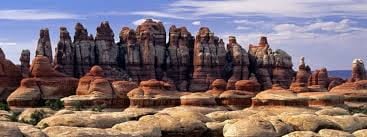
Bryce Canyon National Park is another amazing place to hang ou, especially if you like unique landscapes. The park is known for its ¨hoodoos¨, which are tall, thin rock formations that look like towers. The park has lots of viewpoints where you can see the hoodoos from above, and they look even cooler at sunrise or sunset because the colors of the rocks change with the light.

One of the best ways to explore Bryce Canyon is by hiking. The Queens Garden Trail is a popular and easy hike where you can walk among the hoodoos and get up close to them. Bryce Canyon also has stargazing events, as it’s one of the best places in the U.S to see stars because of how dark it is at night. It’s a really cool experience to just lie down and look up at the sky.

In conclusion, Utah has some of the best places to hangout, whether you like nature, outdoor activities, or city attractions. Zion National Park, Salt Lake City, Arches National Park, Park City, Bryce Canyon are all amazing spots to explore, and each one offers something unique. Whether you’re looking for an adventure or just a beautiful view, Utah has something for everyone.

What is Pop Culture?

What is Pop Culture?

Pop culture is the ideas, attitudes, images, trends, and is in mainstream society. While often associated with entertainment  forms like music,  movies, fashion, and media, pop culture is more than just a collection of preferences; it’s a social mirror that reflects the values of conflicts, and aspirations of a generation.

 From its influence on individual identity to its role in shaping societal trends, pop culture has become a defining force that both unites and divides people across different backgrounds.

At its core, pop culture acts as a common language that brings people together. Whether it’s a worldwide obsession with a hit TV series, a viral dance on social media, or the latest fashion trend, pop culture serves as a point of connection among diverse groups.

 A classic example is the ¨Harry Potter¨ series, which captured imaginations of millions worldwide, creating a dedicated fan base that spans generations. Fans bonded over shared experiences and interpretations, giving rise to events, fan fiction, and even academic discussions about the book’s themes.

 Similarly, the internet has accelerated the spread of trends, allowing people from all around the globe to share and engage with each other’s cultures and ideas. K-pop, for instance, broke out of South Korea to become a global phenomenon, introducing non-korean audiences to new musical styles, languages, and fashion.

 Through pop culture, diverse perspectives become accessible and the borders of cultural exchange expand.

Pop culture also shapes the identities of individuals and generations, often defining what is ¨cool¨ or ¨in¨. People use pop culture to express themselves, from the clothes they wear to the music they listen to. In the digital age, social media influencers and celebrities play a significant role in setting these trends, creating role models that people aspire to emulate.

 The styles and aesthetics made popular by figures like Billie Eilish or Travis Scott, for example, inspire countless followers to adopt certain looks , attitudes, and lifestyles. This phenomenon is especially pronounced among young people who are in the process of figuring out their identities. Pop culture offers them symbols, icons, and narratives that can help them explore and express their individuality.

 However, pop culture is not always a unifying force. Its rapid cycles and obsession with novelty can create divides based on age, location, and socioeconomic status. Older generations might feel alienated or out of touch with trends like TikTok dances or internet slang, seeing them as trivial or disconnected from the ¨real world¨. 

Similarly, access to the latest tech, fashion, or media is often tied to wealth, which can create divides between those who can afford to participate fully in pop culture and those who cannot.

 Additionally, the global nature of modern pop culture can sometimes lead to cultural appropriation, where elements of a culture are taken out of context and used superficially, causing frustration and resentment among people whose cultural expressions are misinterpreted or commodified.

Pop culture also reflects and amplifies societal values and conflicts. Films, music, and television often address political issues, racial tensions, and societal inequalities, either directly or indirectly. For instance, movies like ¨Black Panther¨ and ¨Parasite¨ engage with themes of racial identity and class inequality, resonating with audiences worldwide who experience similar struggles.

Social media, too, has become a platform for social commentary, where popular memes and viral videos often reflect and critique the state of the world. Amid the Black Lives Matter movement, pop culture was flooded with content addressing racial justice, from music and art to campaigns by major corporations.

 This Illustrates how pop culture can be both a reflection and a driver of change, sparking discussions and promoting awareness about issues that affect society.

Ultimately, pop culture serves as a multifaceted force that influences how people think, act, and engage with one another.

It is a bridge and divider, an expression of identity and a mirror of societal values. As it continues to evolve alongside technology and societal shifts, pop culture will remain a powerful, often controversial, element of modern life.

Pop culture is a powerful tool of expression, a space where the aspirations, anxieties, and realities or a generation converge. In this sense, pop culture is a reflection of the human experience itself dynamis, diverse, and ever-evolving.

What is Murder?

What is Murder?

Murder, The intentional killing of another person, is one of the most serious crimes in legal systems worldwide. It is universally condemned and carries significant legal and moral consequences. However, beyond the headlines and statistics, murder is a complex issue rooted in a variety of causes ranging from personal motives to systemic failures. Understanding the nature, types, and causes of murder can shed light on how societies respond to and prevent these very, very tragic events.

The Legal Definition Of Murder

Murder is defined as the unlawful killing of another person with ¨malice aforethought¨. This term refers to the perpetrators intent to cause harm, whether premeditated or impulsive. Legal systems often distinguish between different types of murder, typically categorized into degrees based on the severity of the crime and the intent behind it.

  • First Degree Murder: Refers to a premeditated killing, where the act is planned ahead
  • Second Degree Murder: Involves intentional killing, but without prior planning. It may occur in the heat of the moment or as a reaction to some circumstances 
  • Manslaughter: Though not considered murder, is often grouped with homicide crimes. It involves killing without malice such as in cases of recklessness and negligence

These distinctions are important because they determine the legal penalties, which can range from lengthy prison sentences to, in some jurisdictions, the death penalty. Understanding the varying degrees of murder can also help in analyzing the psychological and situational factors behind these violent acts. 

Causes and Motivations

While every case of murder is unique, certain patterns and factors often contribute to why individuals commit these acts. Some of the most common motivators include:

  • Personal Conflicts: Many murders arise from interpersonal disputes, such as domestic violence, love triangles, or longstanding grievances. These murders are often driven by emotions like anger, jealousy, or revenge.
  • Financial Motives: In some cases, people commit murder for financial gain. This might include killings related to robbery, fraud, or inheritance disputes.
  • Mental Illness: Although rare, some individuals with severe mental disorders may commit murder due to delusions, paranoia or other psychological impairments. While not all individuals with mental illness are violent, those with untreated or extreme cases may pose a risk to themselves or others.
  • Gang Violence and Organized Crime: Murders are often linked to gang-related activities or organized crime syndicates. In these cases, killing may be used to eliminate rivals, send messages, or protect business interests. Such crimes are notoriously difficult to solve due to the fear of retaliation and the code of silence within these groups. 
  • Mass Shootings and Serial Killers: Some of the most disturbing forms of murder involve mass killings or serial murders. Mass shootings typically involve a single event where a perpetrator kills multiple people, often motivated  by ideology, grievances, or mental health issues. Serial killers, on the other hand, murder multiple victims over a period of time, often driven by a need for control, power, or other deep-seated psychological issues.

The Impact On Society 

The impact of murder ripples far beyond the victim. Families are shattered, communities are shaken, and law enforcement is tasked with solving often-complex cases. The psychological and emotional toll on the victims’ loved ones can last a lifetime.

Moreover, fear and anxiety can permeate neighborhoods where murders are frequent, leading to heightened tensions and distrust of law enforcement. In some cases, especially in areas with high crime rates, residents may be reluctant to cooperate with police investigations due to fear of retaliation, a lack of faith in the justice system, or personal relationship with perpetrators.

From an economic perspective, murder cases strain public resources. Investigating homicides requires considerable law enforcement attention, forensic resources, and, when cases go to trial, legal expenses. The more murders that occur in a community, the more public services are strained, diverting resources from other important areas like education or public health.

Ultimately, murder is a reflection of deeper societal issues. While law enforcement can help solve and prevent these crimes, addressing the root causes-such as inequality, mental health, and systemic failures-requires a broader, sustained effort from all corners of society.