
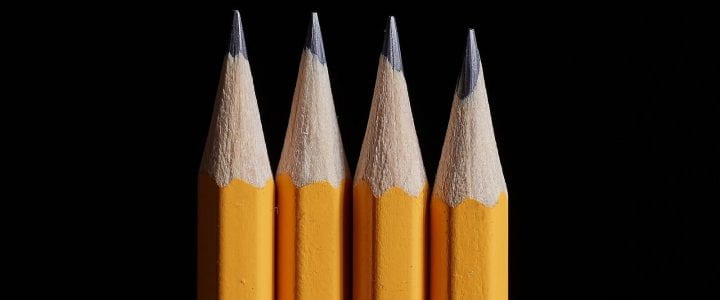
In schools all across the world, wooden pencils have been a staple tool for students for many years. However, as technology continues to advance, it may be time for schools to reconsider this traditional choice and switch to using mechanical pencils instead.
One of the main reasons why schools should make the switch to mechanical pencils is for environmental purposes. Wooden pencils are typically made from wood harvested from trees, which can lead to deforestation and habitat destruction. On the other hand, mechanical pencils are typically made from materials such as plastic and metal which can be recycled and reused. By making the switch to mechanical pencils, schools can help reduce their environmental impact and promote sustainability.

In addition to being more environmentally friendly, mechanical pencils also offer a number of practical advantages over wooden pencils. For starters, mechanical pencils do not require sharpening like wooden pencils do. This can save time and reduce the mess often associated with sharpening pencils. Mechanical pencils also typically have a finer point than wooden pencils, which can lead to neater handwriting and more precise drawings.
Furthermore, mechanical pencils are also less prone to breakage compared to wooden pencils. Wooden pencils can often break when dropped or when too much pressure is applied while writing, leading to frustration and wasted time. Mechanical pencils, on the other hand, are designed to be durable and are less likely to break under normal use.
Another advantage of mechanical pencils is that they are refillable. Instead of having to constantly buy new packs of wooden pencils, students can simply refill their mechanical pencils with lead when they run out. This can save money in the long run and reduce waste. Additionally, mechanical pencils come in a variety of colors and styles, allowing students to express their individuality and personalize their writing tools.
Some may argue that mechanical pencils are more expensive than wooden pencils. While it is true that the initial cost of a mechanical pencil may be higher, the long-term cost savings of not having to constantly buy new packs of pencils can outweigh this initial expense. Additionally, since mechanical pencils are refillable, students will not have to continually replace their writing tools, further reducing costs.
In terms of ease of use, mechanical pencils also have the upper hand. With traditional wooden pencils, students may constantly have to stop what they are doing to sharpen their pencils. This can be a disruption to class time and can lead to distractions. Mechanical pencils, on the other hand, eliminate the need for sharpening, allowing students to focus on their work without interruptions.

Another benefit of mechanical pencils is that they are less likely to leave behind marks or smudges on paper. Wooden pencils can often leave behind smudges or graphite marks, especially if the pencil is not sharpened properly. Mechanical pencils, with their fine points and consistent lead, can help prevent smudging and ensure that students’ work is neat and clean.
Overall, there are many advantages to using mechanical pencils over traditional wooden pencils in schools. From their environmental impact to their practical benefits, mechanical pencils offer a superior writing experience for students. By making the switch to mechanical pencils, schools can promote sustainability, save money, and improve the overall learning environment for their students. It may be time for schools to say goodbye to the wooden pencil and embrace the convenience and efficiency of the mechanical pencil.